








Drinkwise | Kids Absorb your Drinking

View our latest TV commercial & short film
Click here


Parents with teenagers


SECONDARY SCHOOL (13+ YEARS)

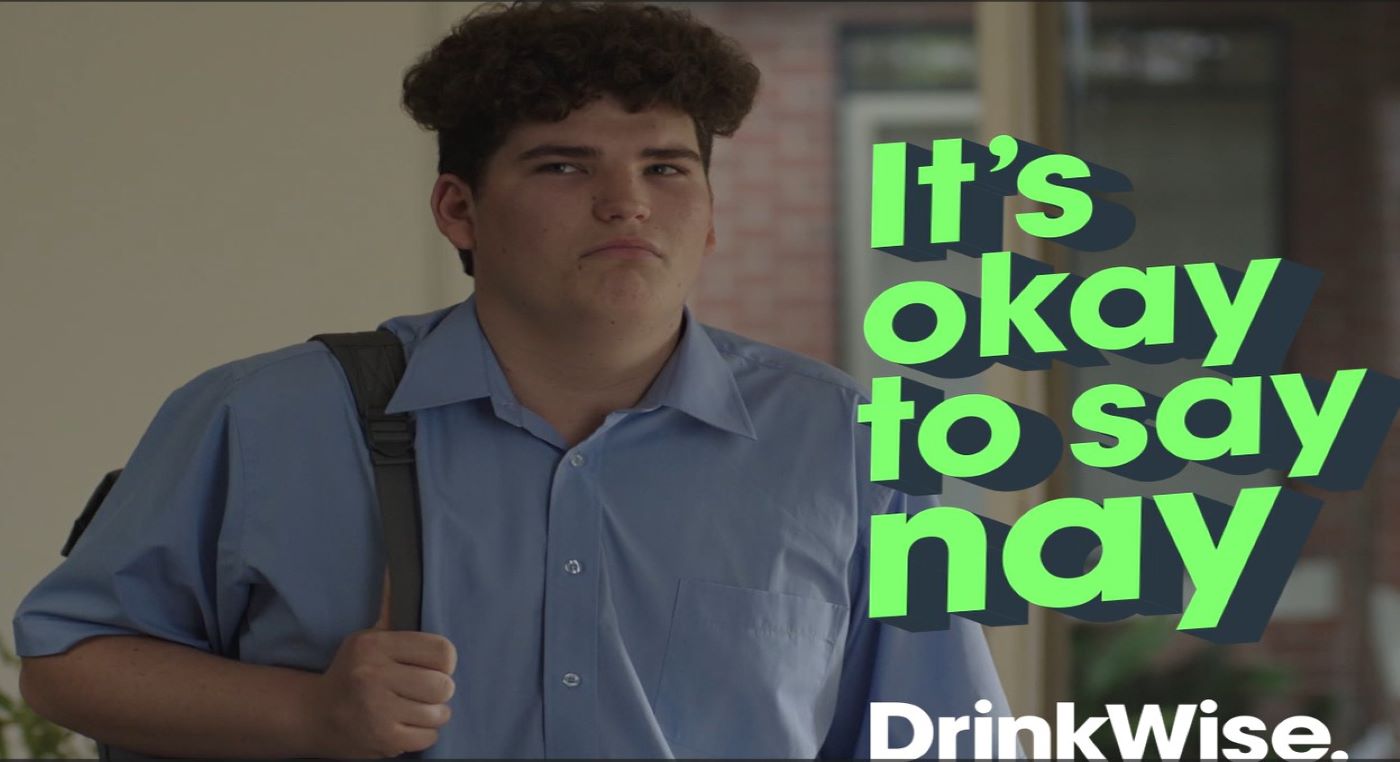
As a parent, you still have the power to positively influence your teenager’s drinking behaviour. Even when your teenager has already started drinking, it is not too late to talk about alcohol and to set the boundaries for their drinking behaviour.

If your teenager hasn’t started drinking, there are good reasons to encourage them to hold off until their late teens at least.

“There is increasing concern that repeated episodes of intoxication may affect the maturing of the brain of young people. During late adolescence, the brain continues to grow and develop and this process is not complete until their early 20s. One particularly important part of the brain that matures late is the pre-frontal cortex which is involved in planning and judgment. It is accepted that alcohol can damage brain cells, so it is possible that excessive drinking could impair development of mature thinking in adult life. We just don’t know for sure. The community needs more scientific study in this important area to help us understand how to safely use alcohol. In the meantime it makes sense to stick to limits.” Professor Paul Haber, Addiction Medicine, University of Sydney.
“Heavy drinking in adolescence may sometimes be a sign of mental health disturbance such as depression or social phobia”. Professor Ross Kalucy, School of Medicine, Flinders Medical Centre.
“Research shows that by delaying the onset of drinking until at least the age of 15 years, the more likely your children will become responsible drinkers in later life.” Dr Andrew Rochford, Accident and Emergency, Sydney Royal North Shore Hospital.
How do I be DrinkWise

Being able and willing to discuss alcohol with your teenager is crucial for developing an open relationship. Talking about drinking with your teenager and setting some clear boundaries for the behaviour you expect will help. Here are some useful tips:

  • Inform your teenager of what the law is.
  • Establish rules and follow your rules. Tell your child the rules hold true even at other people’s houses.
  • Set achievable boundaries and avoid unrealistic threats.
  • Reward good behaviour and congratulate your teenager if they show a responsible attitude towards drinking.
  • Set a good example for your teenager - Think ‘would I be happy if my teenager drank the way I do?’
  • Discuss strategies with your teenager for dealing with peer group pressure situations.
  • Don’t use scare tactics because some teenagers like a dare and if their drinking experiences do not match your warnings then your advice on other matters will also be ignored.
  • Find out what other parents think and what their rules are.  Perhaps many of you share the same beliefs. 
“Whether we like it or not, parents are the single most important influence on the drinking habits their growing teenagers develop. If we use alcohol responsibly, if we have clear, consistent and healthy rules about alcohol use at home, if we do not serve alcohol to children and if we have good contact and communication with our teenagers then there is every chance that they will develop responsible attitudes towards drinking” Dr John Irvine, child and family psychologist.

Of course, if you have particular concerns regarding your own drinking, its effects on you or your family, consult your General Practitioner or another health professional.

For further information, view our expert advice to parents.


© Copyright 2006-2008, DrinkWise Australia.